


The sizes you see in our table are body measurements, not the actual dimensions of our garments.
|
|
|
|
|
|
|
|
|
|
|
|
|
|
|
|
|
|
|
|
|
|
|
|
|
|
|
|
|
|
|
|
|
|
|
Customer usage guidelines:
- Take your body measurements according to the chart and compare them with our recommended sizes in the table.
- If your measurements fall between two sizes, we recommend choosing the larger size if you prefer loose clothing.
- If you want a tight fit (if the garment allows), choose a smaller size.
- If you have any questions, please contact our professional consultants who will provide you with comprehensive information and help you choose the right size.
How to measure your body correctly?
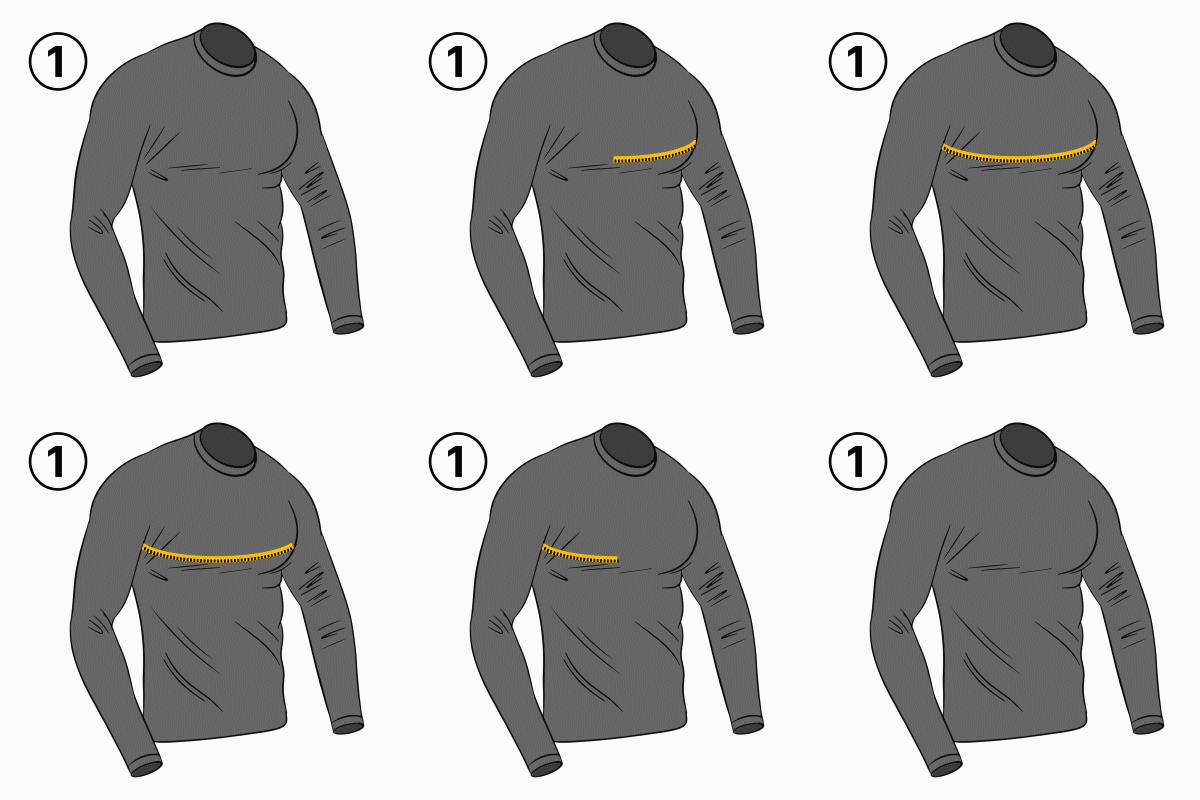
1. Chest — Measure horizontally at the widest diameter of the chest.
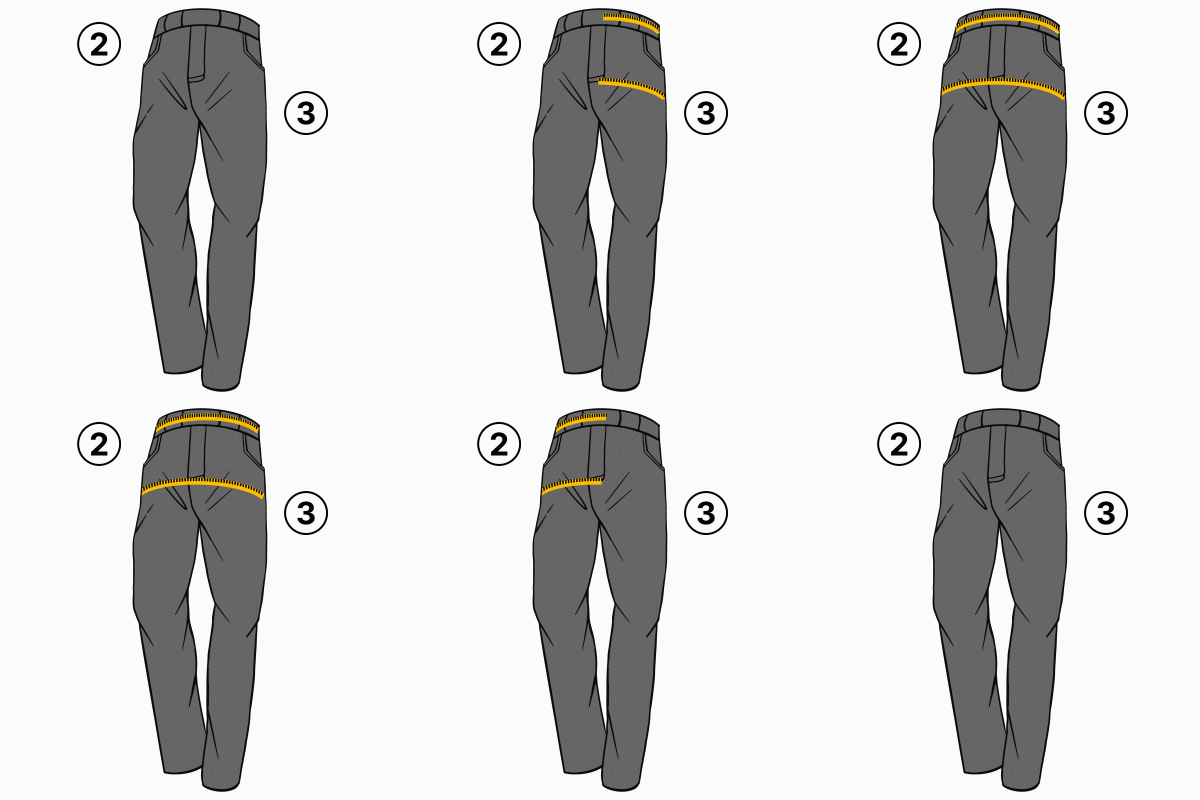
2. Waist — Measure exactly where you usually wear your pants’ waistband. Stand straight, exhale slowly, and take the measurement. The tape should be parallel to the floor and snug against the body.
3. Hips — Stand with your feet together and measure the circumference of your hips at their widest part, keeping the tape measure horizontal.
About clothing fit.
Slim Fit/SLIM FIT - A tight cut. Fits closely to the body, highlighting its structure and enhancing the fabric's functional properties (moisture wicking, thermoregulation, etc.).
Classic Fit/CLASSIC FIT - A classic cut. Emphasizes comfort without bagginess. Features a straight cut across the chest and waist and a wider cut across.
Loose Fit/REGULAR FIT - A loose cut. Does not cling to the body, leaving enough room for comfort.